
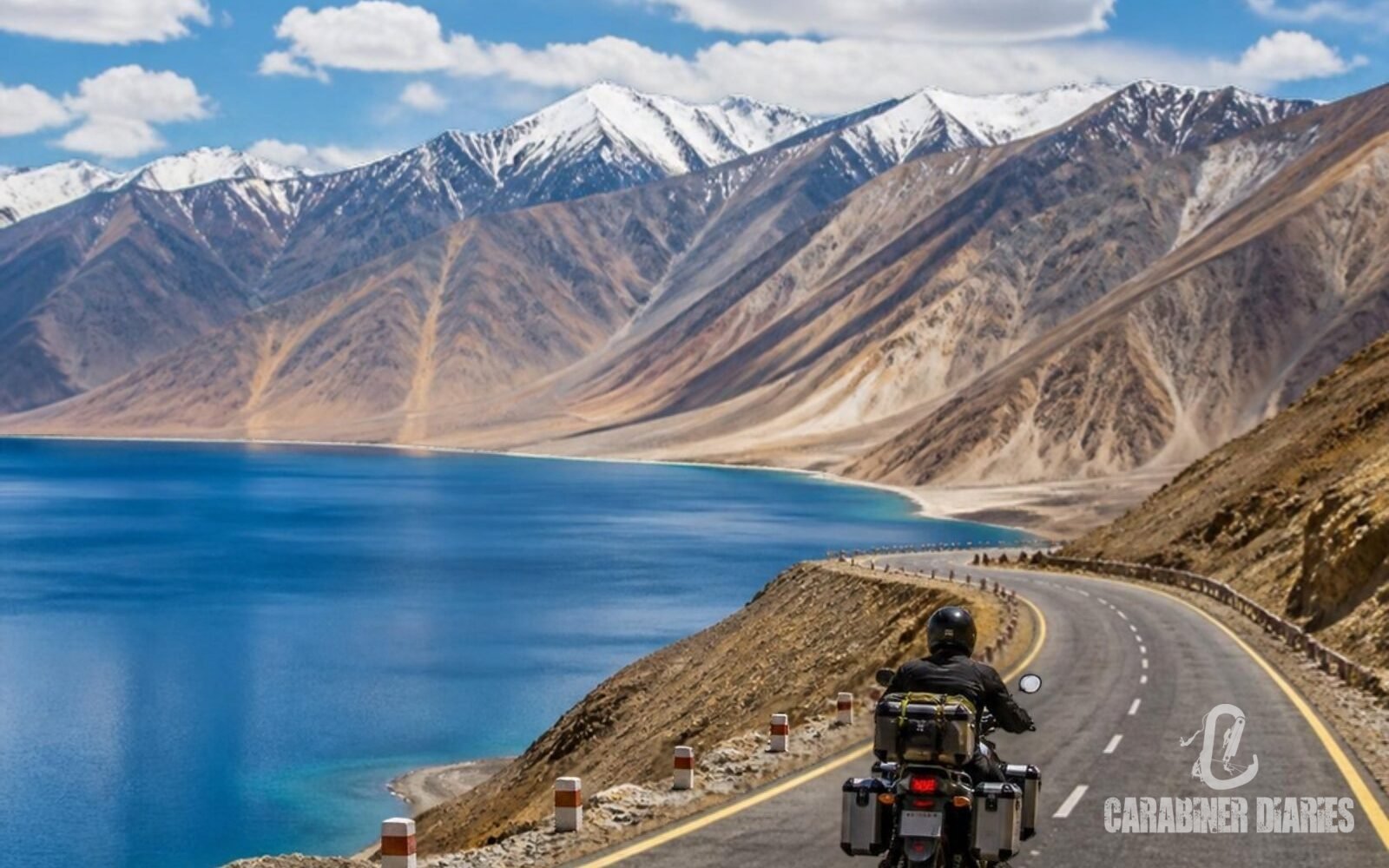
Quick answer: Plan Ladakh for May to September and rest 36 to 48 hours in Leh (3,500 m) before going higher. Indians no longer need an Inner Line Permit, only the online environment fee; foreigners need a Protected Area Permit. Cars suit families, bikes suit experienced riders.
Short answer: The best months to visit Ladakh are May to September, and anyone flying into Leh (about 3,500 m, 11,500 ft) should rest for 36 to 48 hours before going higher. Since August 2021, Indian citizens do not need an Inner Line Permit for protected areas such as Nubra, Pangong and Tso Moriri, but they must pay an environment fee online; foreigners still need a Protected Area Permit. A car or SUV with a local driver suits families and groups, while a motorcycle suits experienced riders with time to acclimatise.
Quick facts
| Item | Details |
|---|---|
| Best months | May to September; roads from Manali usually open June to mid-October |
| Altitude | Leh about 3,500 m; Nubra (Diskit, Hunder) about 3,100 m; Pangong Tso about 4,250 m; high passes above 5,000 m |
| Climate | Cold desert; summer days 20 to 30 degrees C, nights 5 to 10 degrees C; strong sun |
| Duration | 7 to 10 days by air; 10 to 14 days by road from Manali or Srinagar |
| Difficulty | Easy to moderate travel, but altitude is the main risk |
| Nearest airport | Kushok Bakula Rimpochee Airport, Leh |
| Nearest rail | Jammu Tawi or Chandigarh, followed by a 2-day road journey |
| Permits | Indians: no ILP, environment fee online. Foreigners: Protected Area Permit via a registered Leh agent |
| Typical budget | Rs 35,000 to Rs 70,000 per person for 7 to 9 days, excluding flights (indicative) |
When is the best time to visit Ladakh?
May to September is the main season. Leh and the nearby valleys are pleasant, monasteries and festivals are active and most hotels and camps are open. June to August is peak season.
The Srinagar to Leh highway via Zoji La usually opens earlier in spring and closes later in autumn than the Manali to Leh highway, which is generally open from about June to mid-October depending on snow on passes such as Baralacha La and Tanglang La. Winter (November to March) is very cold, with temperatures far below freezing; it suits specific experiences such as the Chadar trek or snow leopard tours, normally reached by air.
How should you acclimatise in Ladakh?
Altitude is the single biggest planning factor. Flying into Leh takes you from near sea level to about 3,500 m in about an hour, which gives the body no time to adapt.
- Rest completely for the first 24 hours after landing and keep activity light for the next 24 hours.
- Do short local visits on day 2 or 3, such as Shanti Stupa, Leh Palace or Thiksey monastery.
- Go to higher places such as Khardung La, Nubra or Pangong only from day 3 or 4.
- Drink plenty of water, avoid alcohol and smoking, and sleep lower if possible.
- Talk to your doctor about altitude medication before the trip.
Watch for symptoms of acute mountain sickness: headache, nausea, dizziness, breathlessness at rest or unusual tiredness. Descend and seek medical help if symptoms worsen. Travelling by road from Manali or Srinagar allows gradual acclimatisation, and the Srinagar side is gentler because it climbs more slowly.
Do you need an Inner Line Permit for Ladakh?
Indian citizens: no. In August 2021 the Ladakh administration removed the Inner Line Permit requirement for Indian nationals visiting notified protected areas, including Nubra, Pangong Tso, Tso Moriri, Hanle and Dah Hanu. Indian visitors still pay an environment and development fee, which can be paid online on the LAHDC Leh permit portal. Keep a printed or digital receipt and your photo ID, as checkposts may ask for them.
Foreign nationals still need a Protected Area Permit for these areas, applied for through a registered travel agent in Leh. Fees and rules change, so check the official Leh permit portal before travel.
How do you get to Ladakh?
By air
Leh has direct flights from Delhi and seasonal flights from other cities. Flying is fastest but needs the most careful acclimatisation.
By road from Manali
The Manali to Leh highway is roughly 425 to 475 km depending on the route, crossing the Atal Tunnel and high passes such as Baralacha La and Tanglang La. It is usually done in two days with a night halt at Jispa or Sarchu.
By road from Srinagar
The Srinagar to Leh highway (NH1) is about 420 to 470 km via Sonamarg, Zoji La, Drass and Kargil, normally with a halt in Kargil. It climbs more gradually and is the better entry route for acclimatisation.
Bike or car: which is better for Ladakh?
Car or SUV is better for families, older travellers, school or corporate groups and anyone short on time. It is warmer, safer in bad weather and carries oxygen and luggage easily. Note that local taxi union rules restrict outside commercial vehicles from doing sightseeing in Ladakh, so most groups hire Ladakh-registered taxis in Leh.
Motorcycle suits experienced riders who are comfortable on gravel, water crossings and long cold days. Bikes are widely rented in Leh. Rules on bikes rented outside Ladakh have changed several times, so confirm current restrictions with your rental company. A backup vehicle and a mechanic make a big difference on group rides.
What is a good 7 day Ladakh itinerary?
- Day 1: Arrive in Leh and rest.
- Day 2: Leh local: Shanti Stupa, Leh Palace, market.
- Day 3: Sham valley: Hall of Fame, Magnetic Hill, confluence, Likir or Alchi.
- Day 4: Leh to Nubra via Khardung La.
- Day 5: Nubra to Pangong Tso via the Shyok route.
- Day 6: Pangong to Leh via Chang La, visiting Hemis or Thiksey.
- Day 7: Fly out of Leh.
Practical tips
- Only postpaid mobile connections from other states work in Ladakh; prepaid SIMs from outside generally do not, so plan accordingly.
- Carry cash for Nubra and Pangong, where ATMs are few and card payments unreliable.
- Use high-SPF sunscreen, sunglasses and lip balm; UV exposure at altitude is intense.
- Keep a buffer day for road closures and flight delays, especially in shoulder months.
- Carry the environment fee receipt and photo ID for checkposts on the way to Nubra and Pangong.
- Avoid single-use plastic; Ladakh has very limited waste management.
Carabiner Diaries runs Ladakh trips by road and by air, including itineraries with built-in acclimatisation days for groups and families. To plan dates, route and vehicles, send us an enquiry at carabinerdiaries.com.
Frequently asked questions
Do Indians need an Inner Line Permit for Ladakh?
No. The Ladakh administration removed the Inner Line Permit requirement for Indian nationals in August 2021. Indian visitors pay an environment and development fee online and carry the receipt and photo ID.
What is the best month to visit Ladakh?
May to September is the best period. June to August is peak season when both the Manali and Srinagar highways are usually open. September offers clear skies and fewer crowds.
How many days should I rest in Leh after flying in?
Rest for 36 to 48 hours after landing in Leh, with complete rest on the first day. Go higher, such as to Khardung La or Pangong, only from the third or fourth day.
Is a bike or car better for Ladakh?
A car or SUV with a local driver is better for families, groups and first-time visitors. A motorcycle suits experienced riders with extra days for acclimatisation and a support vehicle.
How high is Pangong Tso?
Pangong Tso is at about 4,250 m (around 14,000 ft), higher than Leh, so it should be visited only after acclimatisation. Nights there are cold even in summer.
Can I travel to Ladakh by road from Delhi?
Yes, via Manali or via Srinagar. Both routes take at least 3 to 4 days from Delhi with overnight halts, and the Srinagar route is better for acclimatisation.